How Social Media and Flexible Work Arrangements Harden Salespeople to Abusive Supervision
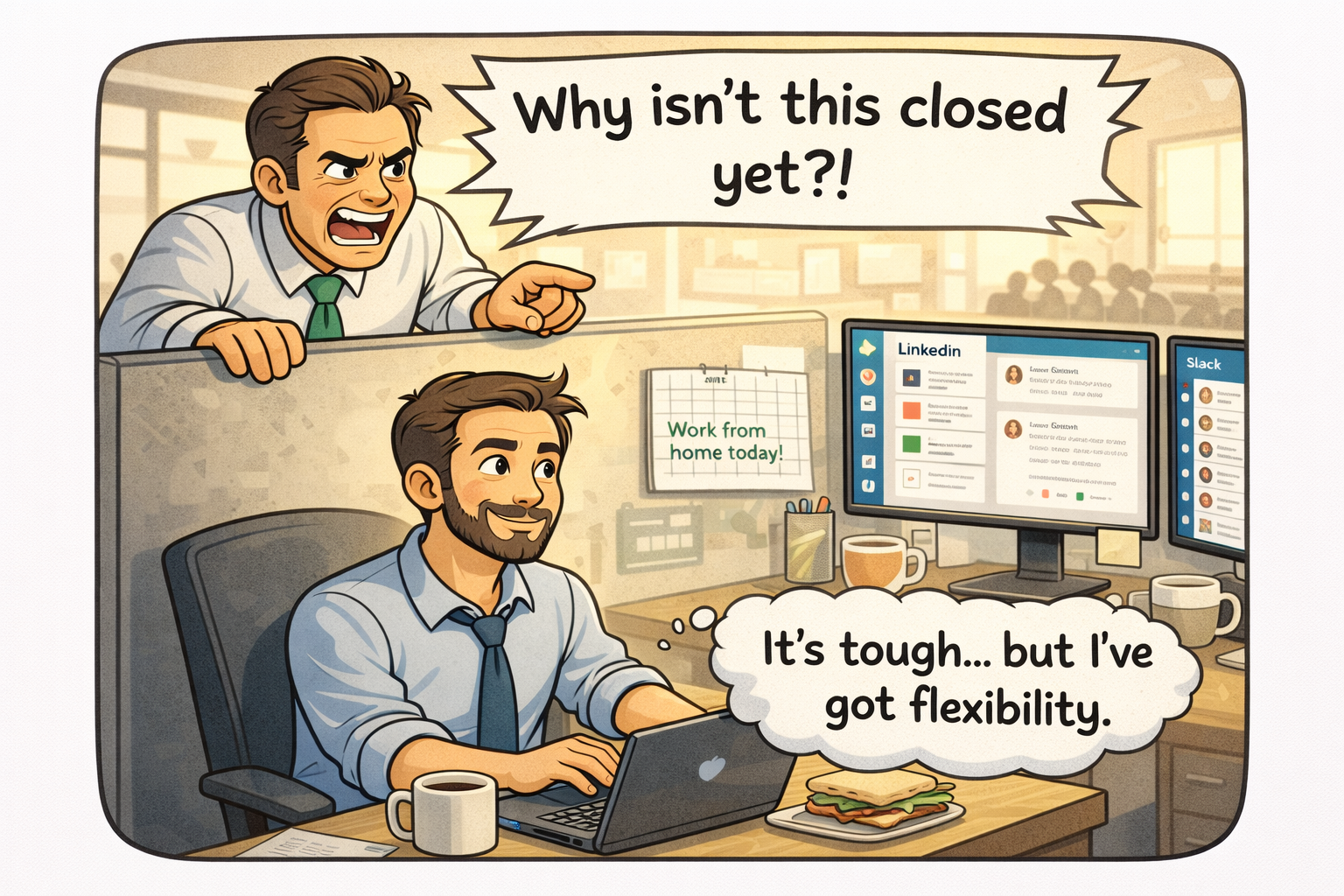
Can basic job features offset the drain of a jerk boss?
Research supports the role of leaders in driving positive sales outcomes. However, while scholars have extensively analyzed the effects of positive leadership styles, the impact of negative managerial behaviors has received comparably scant attention. Grounded in job demands-resources theory (JD-R), we propose a conceptual framework that examines the effect of abusive supervision on job embeddedness and subsequent turnover intentions. Using unique panel data from 237 business-to-business (B2B) salespeople, we find that abusive supervision results in higher turnover intentions, and that this effect is explained partially by reduced job embeddedness. What can be done, then, to curb these effects and harden salespeople to the threat of challenging leadership? Our results indicate that the provision of two critical job resources—workplace social media (i.e., digital communication-based platforms) and flexible work accommodations (i.e., idiosyncratic deals)—jointly mitigate the negative effect of abusive supervision on salespeople’s sense of workplace attachment. We conclude our research with implications and directions for future researchers interested in uncovering additional ways to reduce the pernicious impact of abusive supervisory environments on salesperson well-being.
The full paper can be found on my ResearchGate.
-
The Conversation: “How to combat toxic bosses: Social media and flexible work can save careers, new research shows”